

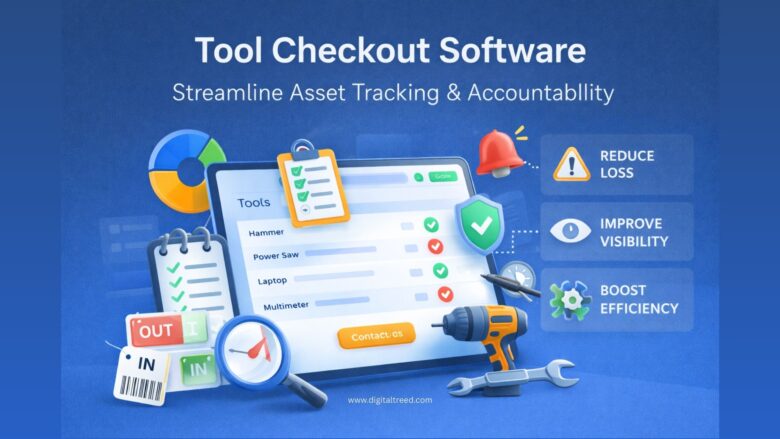
In today’s fast-paced business environment, efficiency can spell the difference between success and stagnation. For organizations that rely heavily on the use of tools and equipment, managing these assets can become a significant challenge. Tool checkout software is quickly becoming an essential component of streamlined operations, ensuring that tools and equipment are efficiently monitored, maintained, and accounted for. Below, we delve into the transformative power of these digital systems and how they refine business operations.
The Role of Tool Checkout Software in Modern Business Operations
In today’s tech-driven business landscape, a tool checkout system has become essential for efficiency. By tracking equipment usage, monitoring maintenance, and ensuring tools are
properly allocated, these systems reduce errors and save time compared to manual tracking. A centralized platform also gives businesses better oversight of their inventory, helping prevent shortages or overstocking and boosting overall productivity.
Beyond inventory management, tool checkout systems standardize procedures for checking out and returning equipment, promoting accountability and clear communication among employees. They can also integrate with ERP or project management software, creating a seamless flow of information across departments. This connectivity ensures that operations, finance, and management all benefit from real-time data, supporting smarter and faster decision-making.
Enhancing Accountability and Reducing Loss with Automated Tool Management
Tool checkout software enhances workforce accountability by requiring users to log tool usage, creating a digital record that helps track misplacement or misuse and reduces losses. Automated alerts for maintenance and calibration keep tools in optimal condition, preventing breakdowns, extending service life, and saving costs. This reliability ensures employees have access to operational equipment when needed, fostering trust within the team.
The systems support auditing and compliance by maintaining detailed records of usage, maintenance, and certifications, enabling swift responses to regulatory inquiries or internal audits. Usage analytics reveal patterns that help identify inefficiencies, allowing organizations to optimize operations, improve productivity, and better manage their assets.
Improving Inventory Visibility and Control Through Digital Checkout Systems
Digital tool checkout systems enhance inventory management by providing real-time visibility into tool usage, availability, and maintenance needs, eliminating the need for physical checks. They enforce check-in and check-out procedures, tracking accountability and reducing loss or theft through detailed digital logs. Staff can reserve tools in advance, preventing workflow bottlenecks and allowing projects to proceed without delays caused by equipment shortages.
These systems streamline planning and resource allocation, improving job efficiency and employee satisfaction. As businesses expand, the platforms scale to accommodate growing inventories, managing an increasing number of tools without adding significant administrative burden, making them adaptable to evolving operational needs.
Implementing Tool Checkout Solutions for a Competitive Edge in Various Industries
Industries across various sectors are increasingly adopting tool checkout solutions to enhance efficiency and reduce operational challenges. In construction, managing numerous tools across multiple sites becomes simpler, minimizing downtime and enabling more precise project execution. Technology and telecommunications sectors benefit from careful tracking of high-value and delicate equipment, preventing delays and ensuring availability.
Healthcare facilities rely on these systems to monitor medical devices, maintain sanitation, and ensure readiness, which can be critical in emergencies. Even retail and hospitality, with less intensive tool usage, see gains in efficiency and control over assets used for merchandising and facility management. These systems support streamlined operations and improved resource management.
Altogether, the benefits of adopting tool checkout software across various industries cannot be understated. By streamlining operations, enhancing accountability, and ensuring assets are managed effectively, these systems contribute significantly to a business’s bottom line. They not only promote efficiency but also encourage a responsible and proactive workforce, laying the groundwork for continued growth and success.
