
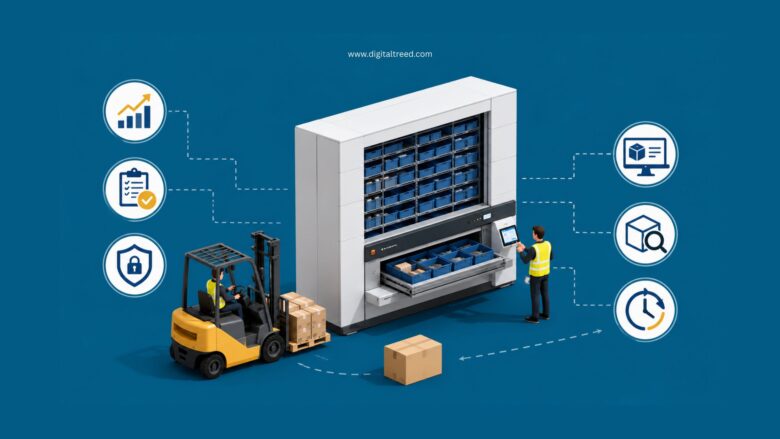
Inventory problems tend to start small. A part landing on the wrong shelf on a Monday can spark a chain of events that devolves into complete chaos by Friday.
More shelves may buy time, but they do not fix scattered stock or weak control. This is why conventional racking has slowly been giving way to options such as Modula storage systems, making stock easier to store, find, count, and move.
Smart storage brings the physical warehouse closer to the digital record. When those two agree, inventory stops feeling like a daily search operation.
Storage Is No Longer Just a Space Question
Storage planning can be as simple as a calculation of how many shelves fit in the building. But that leaves out harder questions, like:
- How far do employees walk?
- Which items move most often?
- How much floor space is lost to aisles?
- Who can access valuable stock?
A warehouse can have enough capacity and still work badly because stock is scattered, labels are unclear, and popular items are stuck in old locations.
Smart storage can bring goods to a worker, limit access, record transactions, and place more inventory within a smaller footprint.
Better Use of Height Can Delay a Costly Move
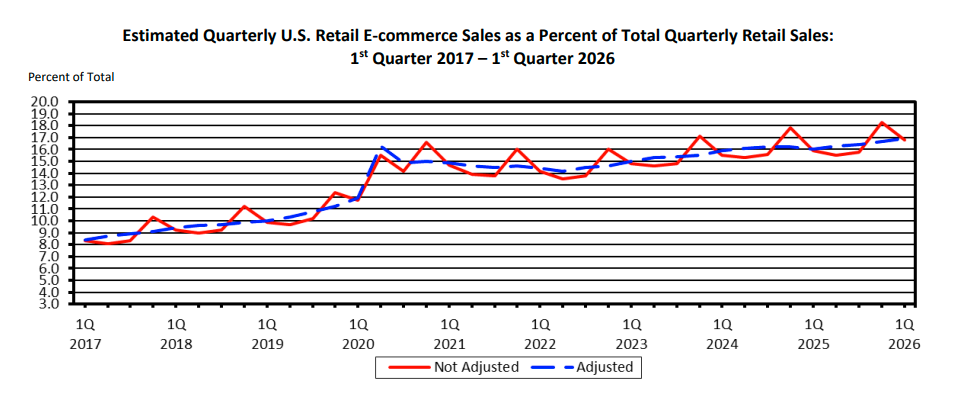
Floor-space pressure is unlikely to ease. U.S. retail e-commerce sales grew 9.8% in the first quarter of 2026, considerably faster than total retail sales during the same period. More online volume does not automatically require a larger warehouse, but it does raise the cost of layouts that waste space or slow down picking.

Vertical storage uses available height instead of continuing to spread inventory outward. For businesses holding many small or medium-sized items, this can free floor space for packing, assembly, quality checks, or new equipment.
Inventory Accuracy Depends on What Happens on the Floor
Software cannot correct a physical process it never sees. If an employee takes a component without recording it, the system is none the wiser.
However, smart storage can tie access and movement to a defined action. A worker signs in, selects an order, receives the correct location, confirms the quantity, and completes the pick. The transaction becomes part of the work instead of a separate task someone hopes to remember later.
That does not remove the need for cycle counts or good receiving practices, but it makes both easier because fewer movements happen outside the record.
Less Walking Can Change the Whole Shift
Many warehouse layouts depend on walking, as workers travel to the product, search, bend or reach, and then carry it back to packing or production hundreds of times a day.
Goods-to-person storage reverses this pattern. The requested tray or carrier comes to an access point, while the worker stays in a more consistent area. That can shorten pick paths and make workstation design more predictable.

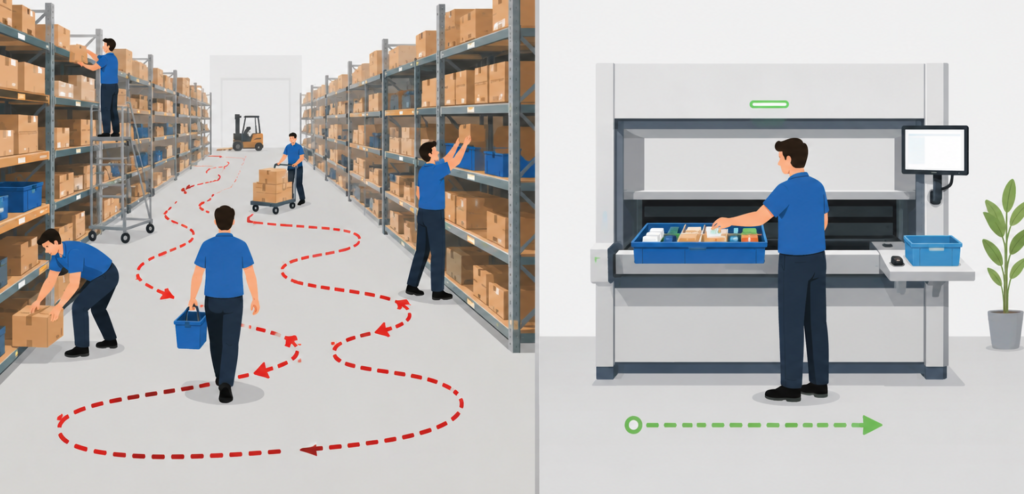
The safety case deserves attention too. Storage equipment will not remove every risk, but reducing unnecessary climbing, stretching, carrying, and aisle traffic can address everyday sources of strain.
Data Must Answer Shop-Floor Questions
A useful system should know which items are picked most often, where shortages keep appearing, which orders take unusually long, and how often a location needs replenishment.
Performance analytics of this kind can support better slotting, staffing, maintenance, and purchasing decisions, allowing management to spot a problem early and decide what to change. Research on distribution operations suggests that AI-powered planning tools can unlock 7% to 15% of additional capacity across warehouse networks.
The useful part here is not the technology label, but the ability to test changes and understand where labor or equipment is being underused.
Integration Matters More Than a Long Feature List
A storage system may work well on its own and still create trouble if it does not fit the rest of the operation.
Before buying equipment, map the information flow as carefully as the material flow. Which system owns the inventory count and what happens if the network goes down? The best day to discuss downtime is before the first breakdown.
Start With the Bottleneck
Before changing the layout, collect a short baseline:
- Travel time per order
- Picks per hour by zone
- Inventory adjustments and common causes
- Space used by product group
- Time spent searching and replenishing
- Strain complaints and damaged goods
- Order errors and late shipments
A few weeks of honest data is more useful than a year of vague frustration. After installation, the same measures can show whether the change worked.
Smart Storage Still Needs Human Judgment
No system understands a warehouse better than the people who deal with its oddities every day.
Bring those people into planning early. A technically efficient layout can fail if it creates awkward handoffs or ignores how work actually arrives. Operators also need time to learn without being judged against full-speed targets on day one, and they need to know what to do when quantities do not match or a barcode will not scan.

