
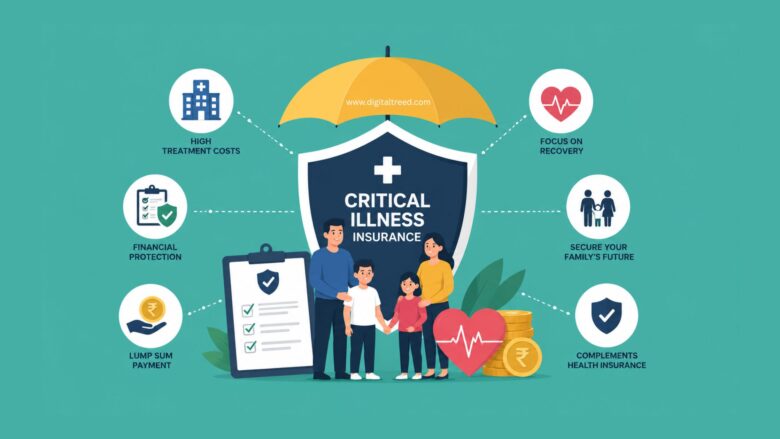
Planning for the future often includes saving for education, buying a home and building retirement funds. Alongside these goals, many families now recognise the importance of preparing for unexpected medical situations. A serious illness can require specialised treatment and ongoing care, making financial planning equally important. This is why critical illness insurance has become an important consideration for Indian families. Typically, this type of policy provides a fixed lump-sum benefit on the diagnosis of specified illnesses, subject to its terms and conditions, helping individuals manage financial needs while focusing on recovery.
Rising Healthcare Costs Are Changing Financial Planning
Advances in medical science have improved the availability of specialised treatments for many serious illnesses. However, these treatments often involve multiple stages of care, including diagnostic tests, surgery, hospitalisation, medicines and rehabilitation. Each stage contributes to the overall cost of treatment.
Healthcare expenses now form an important part of personal financial planning. Families increasingly recognise that preparing for medical needs deserves the same attention as planning for education or retirement. Including financial protection within an overall financial plan helps families prepare better for future healthcare needs.
A Critical Illness Can Affect More Than Health
The impact of a serious illness extends beyond medical treatment. Recovery may require time away from work, regular hospital visits and lifestyle adjustments. Family members may also spend more time supporting treatment and caregiving responsibilities.
These changes can influence everyday routines. Work schedules may need adjustment, children may require additional support and household responsibilities often become shared among family members. Preparing for these practical changes allows families to focus on providing care while maintaining stability in their daily lives.
How Critical Illness Insurance Can Help Families Stay Financially Stable
A critical illness plan offers financial support in a different way from a standard health insurance policy. While health insurance primarily helps cover eligible medical expenses under the policy terms, a critical illness plan generally provides a lump-sum benefit upon diagnosis of a covered illness, subject to policy conditions. This allows policyholders to decide how they wish to use the benefit based on their financial priorities. Some of the key features include:
- Lump sum benefit: Eligible claims generally receive a fixed payout after the diagnosis of a covered illness, provided the policy conditions are met.
- Flexible use of funds: The benefit may be used for treatment costs, recovery support, home care, travel for medical consultations or other personal financial needs.
- Support beyond hospital bills: Families may use the benefit for treatment, recovery, household expenses or other financial priorities, depending on their needs.
- Complements existing health cover: It can work alongside a health insurance policy by providing additional financial support during recovery.
These features allow policyholders to decide how the benefit best supports their individual circumstances.
Why More Indian Families Are Considering This Cover Today
Greater awareness of financial protection has encouraged more families to review the role of critical illness cover in their overall planning. Several developments have contributed to this growing interest:
- Growing awareness of lifestyle-related illnesses: Conditions such as cancer, heart disease and stroke have encouraged many families to review their financial protection needs.
- Longer financial commitments: Many families now plan for home loans, children’s higher education and retirement over several decades.
- Growing insurance awareness: People have better access to information, making it easier to compare policy features before purchasing cover.
- Changing family structures: Many households rely on one or two earning members, making financial preparation an important part of long-term planning.
Together, these developments have encouraged families to take a broader view of financial protection alongside their other financial priorities.
What to Check Before Choosing a Critical Illness Plan
Every policy offers different features, so reviewing the details carefully helps individuals select suitable cover. Before making a decision, it is useful to consider the following:
- Coverage: Check the list of specified illnesses included under the policy.
- Waiting period: Understand how long the policy must remain active before benefits become available.
- Survival period: Review whether the policy requires the insured person to survive for a specified period after diagnosis before a claim is payable.
- Sum assured: Choose an amount that reflects personal responsibilities and anticipated financial needs.
- Policy terms: Read the exclusions, eligibility conditions and claim requirements carefully.
While reviewing available options, people may also come across products such as Aviva Smart Vital. Comparing policy features objectively helps individuals identify the option that best matches their personal circumstances.
Conclusion
Preparing for a serious illness is an important part of responsible financial decision-making. Understanding how different policies work, comparing their features and selecting cover that suits individual requirements can strengthen a family’s financial security. As healthcare needs continue to change, critical illness insurance can play a meaningful role in helping families prepare for situations that require both medical care and financial support.

