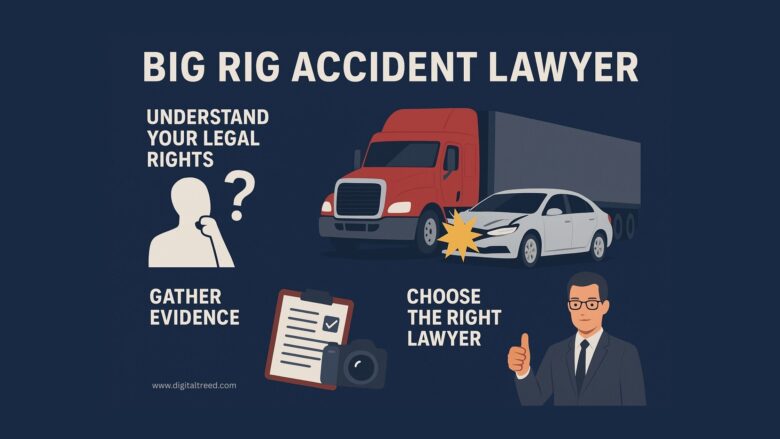
Encountering a big rig accident can be a harrowing experience, with long-term repercussions on your health and financial stability. Understanding the legal landscape following such an incident is crucial to securing the compensation you deserve. Seeking legal advice becomes imperative given the complexity surrounding trucking laws and the severe impact of these accidents. Keep reading to ensure you’re equipped with the knowledge needed to navigate this challenging time.
Understanding the Seriousness of Big Rig Accidents and Your Legal Rights
Big rig accidents are often catastrophic due to the sheer size and weight of these commercial vehicles. When a collision occurs, the devastation can be significant, leading to serious injuries or fatalities. The laws governing commercial trucking are strict, with numerous regulations in place to ensure road safety. Yet, when these regulations are breached, and an accident occurs, establishing liability and understanding the implications becomes vital.
Victims of big rig accidents should be aware that they have legal rights that can be enforced through the judicial system. The right to seek compensation for damages, medical expenses, and loss of income is protected by law. However, navigating the legal complexities can be overwhelming, especially when dealing with the trauma of an accident. In such cases, legal representation is not just helpful; it is often necessary for a successful outcome.
Likewise, understanding the statute of limitations in your state is crucial to ensuring your claim is filed within a legal timeframe. Delaying action can hinder your ability to receive just compensation. Given the intricacies involved, seeking counsel from an experienced big rig accident lawyer is a prudent step toward protecting your rights and pursuing a fair settlement.
Gathering Evidence and Documentation for Your Big Rig Accident Claim
In the aftermath of a big rig accident, collecting evidence is a critical step in strengthening your claim. Photos and videos of the scene, including the vehicles, road marks, and surrounding
area, can help create a clear picture of the events leading to the collision. Make sure to document any visual signs of damage or factors that could have contributed to the accident.
Medical records are another essential form of documentation. They provide an account of the injuries sustained and the treatments you undergo, thus highlighting the accident’s impact on your well-being. Keep meticulous records of all doctor visits, treatment plans, medications, and any other health-related expenses incurred as a result.
Receipts and records of any other related expenses, such as towing, vehicle repairs, or rental cars, should be preserved as well. These documents serve as a basis for calculating damages and ensuring that you’re reimbursed for all accident-associated costs. Additionally, if the collision results in lost wages or impacts your ability to work, documentation from your employer will be necessary to claim lost income.
Read Also: What To Do if You’ve Been in an Auto Accident and Need Representation
How to Find and Choose the Right Big Rig Accident Lawyer
Finding the right lawyer is paramount in pursuing a big rig accident claim. Start by searching for attorneys who specialize in trucking accidents and have a track record of successful outcomes. Personal referrals from friends or family can be valuable, but ensure that the recommended lawyer has relevant experience.
Review the attorney’s or firm’s professional history, looking into their courtroom reputation and negotiation skills. An experienced lawyer will have a deep understanding of transportation laws and be adept at handling complex trucking cases. They should also be transparent about their fee structure and willing to work on a contingency basis if that best suits your financial situation.
Navigating Compensation Claims: Dealing With Insurance Companies and Legal Hearings
Navigating compensation claims after a big rig accident involves a complex interaction with insurance companies and potentially, legal hearings. Insurance providers are adept at minimizing their payout, and without solid legal representation, you may be vulnerable to lowball settlements. Your lawyer will handle negotiations, ensuring that the compensation offered reflects your accident’s true costs and impacts.
When it comes to legal hearings, being well-prepared is essential. Your attorney will assist in compiling an undeniable case, leveraging the evidence gathered to support your claim. These proceedings may involve depositions, expert testimonies, and meticulous presentations of the facts.
Altogether, facing the aftermath of a big rig collision requires decisive actions and knowledgeable support. By understanding the gravity of your situation, taking immediate steps to safeguard your interests, diligently gathering evidence, and enlisting the aid of a proficient lawyer, you are better prepared to navigate the legal journey ahead. Overall, remember that the road to healing and fair compensation is paved with patience, resilience, and the right legal expertise.