
Quick Answer
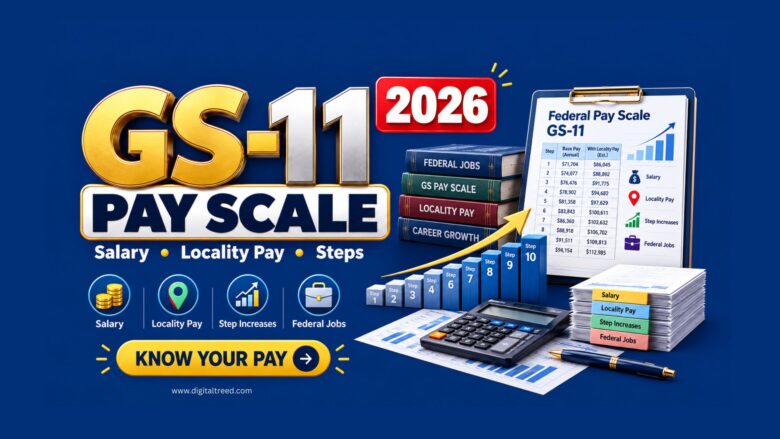
In 2026, GS-11 base pay ranges from $63,795 (Step 1) to $82,938 (Step 10), before locality pay. With locality pay added, actual salary ranges from about $74,678 in Rest-of-U.S. areas to over $121,000 in the highest-cost locations like San Jose. Washington, DC-area GS-11 employees earn roughly $85,447 to $111,087. These figures reflect the 1% across-the-board federal pay raise that took effect January 11, 2026, with locality pay percentages frozen at 2025 levels.
What Is the GS-11 Pay Grade?
The General Schedule (GS) is the pay system covering roughly 70% of federal civilian white-collar employees, structured as 15 grades, each with 10 pay steps. GS-11 sits in the upper-middle of that scale, above entry-level GS-9 and below the more senior GS-12. It’s typically the full-performance level for professional roles like budget analysts, program managers, engineers, IT specialists, and criminal investigators, and it’s also frequently the top rung of a standard 5/7/9/11 career ladder for new hires.
2026 GS-11 Base Pay by Step
| Step | Base Salary |
|---|---|
| Step 1 | $63,795 |
| Step 2 | $65,955 |
| Step 3 | $68,115 |
| Step 4 | $70,275 |
| Step 5 | $72,303 |
| Step 6 | $74,573 |
| Step 7 | $76,970 |
| Step 8 | $79,180 |
| Step 9 | $81,390 |
| Step 10 | $82,938 |
These are base rates only, before any locality adjustment. Official figures are published directly by the Office of Personnel Management, the authoritative source for all federal pay tables.
Locality Pay: What GS-11 Actually Pays by City
Base pay is only half the equation. Every GS employee also receives a locality pay adjustment based on their duty station, and for GS-11 specifically, that adjustment ranges from 17.06% in Rest-of-U.S. areas up to 46.34% in the highest-cost metro, San Jose-San Francisco-Oakland.
| Locality Area | 2026 Adjustment | GS-11 Step 1 | GS-11 Step 10 |
|---|---|---|---|
| Rest of U.S. | 17.06% | $74,678 | $97,087 |
| Washington, DC | 33.94% | $85,447 | $111,087 |
| New York City | ~37% | ~$87,400 | ~$114,413 |
| San Jose-San Francisco | 46.34% | ~$93,362 | $121,371 |
This is why “what does a GS-11 make” doesn’t have one single answer. The same grade and step can differ by $12,000 or more annually depending purely on duty station.
How Long Do GS-11 Steps Actually Take?
This is worth clarifying precisely, since it’s commonly misunderstood. Advancing from Step 1 to Step 10 takes roughly 18 years total under standard within-grade increases, assuming satisfactory performance throughout:
- Steps 1 to 3: one year each (3 years total)
- Steps 4 to 6: two years each (6 years total)
- Steps 7 to 9: three years each (9 years total)
- Step 10: no further step increase; advancement past this point requires promotion to GS-12
A manager can award a one-time Quality Step Increase to accelerate this for strong performers, but there’s no way to skip the standard waiting periods otherwise. If you’re promoted from GS-11 to GS-12, the “two-step rule” typically applies. Your new salary is set at the higher of Step 1 of the new grade, or the lowest step of the new grade that’s at least two steps above your current rate. In practice, most promotions land at Step 2 of the new grade or higher, not Step 1.
GS-11 Qualification Requirements
Most GS-11 positions require one of the following:
- A Ph.D. or equivalent doctoral degree, or
- One year of specialized experience at the GS-9 level, directly related to the position
Specialized experience can come from federal service, private-sector work, internships, or relevant volunteer experience, as long as it involved the level of complexity the GS-11 role requires. Some positions carry additional requirements, like a professional certification, security clearance, or specific technical skill, depending on the agency and role.
Common GS-11 Jobs
- Budget Analysts
- Program Managers
- Civil Engineers
- IT Specialists
- Criminal Investigators (including many FBI Special Agent positions, which often start at GS-10 or GS-11)
- HR Specialists
- Environmental Protection Specialists
GS-11 Benefits
Beyond base and locality pay, GS-11 federal employees receive a standard federal benefits package: health insurance with a substantial employer contribution, retirement coverage through both the Federal Employees Retirement System (FERS) and the Thrift Savings Plan (a 401(k)-style account), paid annual and sick leave, and federal holidays.
Why the 2026 Numbers Look Different From 2025
If you’re comparing to figures from an older article, here’s why the numbers moved. An Executive Order signed December 18, 2025 authorized a 1.0% across-the-board increase to General Schedule base pay for 2026, while holding every locality pay percentage at its 2025 level rather than adjusting them individually. That 1% increase took effect on the first full pay period of 2026, January 11. It’s a modest raise by recent historical standards, and it means nearly all of any GS-11 pay change year-over-year came from the base table adjustment rather than shifting locality rates.
Frequently Asked Questions
What is the GS-11 pay scale for 2026? Base pay ranges from $63,795 (Step 1) to $82,938 (Step 10). With locality pay added, actual salary ranges from about $74,678 in lower-cost areas to over $121,000 in the highest-cost metro areas.
How much does a GS-11 make? It depends heavily on locality. In Rest-of-U.S. areas, total pay ranges from about $74,678 to $97,087 across the 10 steps. In Washington, DC, it ranges from about $85,447 to $111,087.
What is GS-11 equivalent to? GS-11 sits between GS-9 (typical entry level for master’s-degree holders) and GS-12 (senior specialist or first competitive full-performance grade in many fields). It’s often the highest automatic rung in a standard federal career ladder before competitive promotion is required.
What does it take to qualify for GS-11? Typically a Ph.D. or equivalent doctoral degree, or one year of specialized experience at the GS-9 level directly related to the position, along with any additional agency-specific requirements.
How long does it take to reach GS-11 Step 10? Approximately 18 years under standard within-grade increases: one year each for Steps 1-3, two years each for Steps 4-6, and three years each for Steps 7-9. A Quality Step Increase can accelerate this for strong performers.
Does GS-11 pay differ by state or city? Yes, significantly. Locality pay adjustments in 2026 range from 17.06% in Rest-of-U.S. areas to 46.34% in San Jose-San Francisco, meaning identical GS-11 positions can differ by $10,000-$25,000 annually depending purely on duty station.
What’s the difference between GS-11 and GS-12 pay? GS-12 base pay in 2026 runs from $76,463 (Step 1) to $99,404 (Step 10), noticeably higher than GS-11’s $63,795-$82,938 range, reflecting the added responsibility and competitive selection typically required to reach GS-12.
Bottom Line
GS-11 remains a genuine mid-career milestone in federal employment: past entry-level, with real earning potential once locality pay is factored in, but still with meaningful room to grow toward GS-12 and beyond. The 2026 numbers reflect a modest 1% base pay increase with locality rates held flat. If you’re evaluating an offer or comparing to older figures, the base table above and your specific duty station’s locality percentage are what actually determine your real number, not a single flat salary figure. The official 2026 GS salary tables are the definitive source if you want to verify any figure directly.
Read Also: Span of Control Isn’t One-Size-Fits-All (Here’s What to Do Instead)

