

The banking industry has undergone a significant transformation over the past few decades, with technology playing a central role in reshaping how people manage their finances. One of the most noticeable changes has been in the world of checking accounts. Traditional banking methods, including in-person visits and paper statements, are being replaced with more efficient and user-friendly digital options. Thanks to the rise of fintech, innovations in checking accounts are making banking easier, more accessible, and more secure than ever before.
The Role of Fintech in Transforming Checking Accounts
Fintech, a term that refers to technology-driven financial services, has revolutionized the way we think about checking accounts. Gone are the days when you had to visit a brick-and-mortar branch to open an account or deposit a check. With fintech, everything is now at your fingertips, available 24/7 through digital platforms.
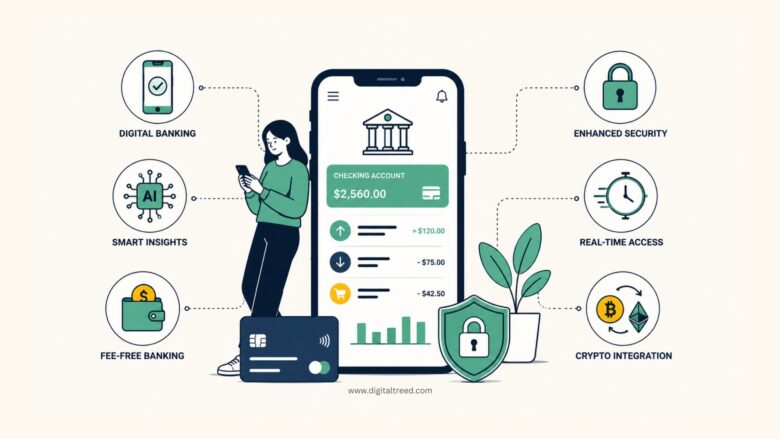
Automated features are one of the key innovations introduced by fintech. Tasks that once required manual effort, such as bill payments or transferring funds, can now be done automatically. This allows users to manage their finances efficiently without worrying about missing deadlines or forgetting payments. In addition, fintech platforms are utilizing artificial intelligence (AI) and machine learning to improve user experiences. For instance, some digital banking apps can analyze your spending habits and offer insights on how to better manage your money.
Another significant development is access to real-time data. Fintech-enabled checking accounts give users instant visibility into their account balance, transactions, and spending patterns. This instant access allows for more informed financial decisions. In the past, people had to wait for their monthly statement to get a sense of their financial health, but now, everything is available in real time, often through mobile apps.
Key Innovations in Checking Accounts
Fintech has introduced several innovations that have fundamentally changed how checking accounts work. One notable advancement is the rise of digital-only checking accounts. These accounts, which operate entirely online without the need for physical branches, have become increasingly popular due to their lower fees and ease of use. Many fintech companies offer these digital-only checking accounts, providing users with more flexible banking options.
SoFi’s checking account online, for example, allows customers to access a range of features, including fee-free banking, higher interest rates, and integration with various other fintech tools. The advantage of using a digital-only account like this is that it removes many of the overhead costs that come with maintaining physical branches, making banking more affordable and accessible.
Fee-free banking is another innovation that has caught the attention of many consumers. Traditional checking accounts often come with monthly maintenance fees, ATM fees, and other charges. Fintech companies, however, have worked to eliminate many of these fees, giving users a more affordable option. Additionally, some digital checking accounts offer rewards programs, which can provide users with cash back or other perks for making qualifying purchases.
Perhaps one of the most exciting innovations is the integration of cryptocurrencies and blockchain technology with checking accounts. Some fintech companies are now allowing customers to link their checking accounts to cryptocurrency wallets, making it easier to convert digital currencies into traditional money and vice versa. This integration is still in its early stages, but it represents a significant step toward bridging the gap between traditional and digital currencies.
Enhanced Security and Fraud Prevention
As with any financial service, security is a top priority for fintech-powered checking accounts. Many fintech companies have implemented cutting-edge security measures to protect users’ funds and personal information. Biometric authentication is one such innovation. Instead of relying solely on passwords or PINs, many digital banking apps now offer fingerprint or facial recognition as an additional layer of security. This technology ensures that only authorized users can access their accounts.
In addition to biometric security, fintech companies are using artificial intelligence to detect and prevent fraudulent activities. AI-powered fraud detection systems can analyze patterns in users’ transactions and identify any suspicious activity in real time. If an unusual transaction occurs, the system can alert the user or even block the transaction to prevent further damage. This proactive approach to security helps users feel more confident when using their digital checking accounts.
Multi-factor authentication (MFA) is also becoming more common in fintech banking. By requiring users to verify their identity through multiple channels, such as entering a password and receiving a one-time code on their mobile device, MFA makes it much harder for hackers to gain unauthorized access to accounts. These enhanced security features help protect users from fraud and theft, which has historically been a concern with online banking.
The Future of Checking Accounts: What’s Next?
Looking ahead, the future of checking accounts is likely to be shaped by several key trends. One of the most promising developments is open banking. Open banking is a system that allows third-party financial service providers to access a user’s banking data, with the user’s consent, through secure APIs (application programming interfaces). This opens up new opportunities for users to link their checking accounts with other financial tools, such as investment platforms or personal finance management apps, all in one seamless experience.
Open banking also paves the way for more personalized banking experiences. As fintech companies continue to develop AI-driven tools, users will be able to receive tailored financial advice based on their unique spending habits, income, and savings goals. Smart budgeting and savings automation are already becoming common features in digital checking accounts, and these tools will only become more sophisticated in the future.
Another exciting development is the continued rise of artificial intelligence in banking. AI is already being used to improve customer service through chatbots, but its potential extends far beyond that. In the future, AI may be able to help users optimize their financial portfolios or offer real-time advice on how to improve their credit score or save for specific goals.
Conclusion: Embracing the Future of Checking Accounts
Fintech has fundamentally changed how checking accounts work, providing consumers with more flexible, secure, and user-friendly options than ever before. Digital-only checking accounts, fee-free banking, and innovations like cryptocurrency integration are just a few examples of how fintech is shaping the future of banking.
As technology continues to evolve, it’s clear that the way we manage our finances will continue to change. With the rise of open banking, AI-powered tools, and enhanced security measures, checking accounts are becoming smarter, more personalized, and more accessible. If you haven’t already, now is the time to explore the world of fintech-enabled checking accounts and experience the benefits of modern banking firsthand.
